
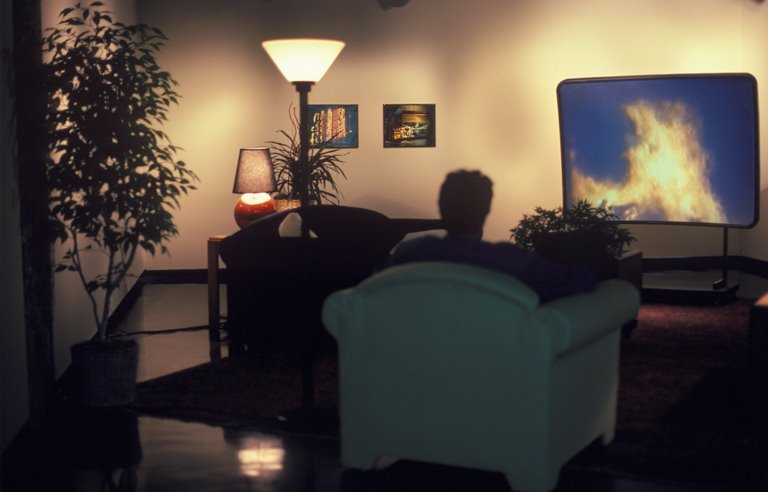
Instalação de Susan Hiller sobre a história de Belshassar. Nesta obra, de uma ironia mordaz, ouvem-se contínuas notícias sobre uma hipotética invasão de alienígenas, desmentidas e confirmadas pelo simples facto de serem desmentidas. Sinais deliciosos deste nosso "admirável mundo novo. A artista cita a propósito desta obra, as seguintes palavras de Lucy Lipard: " ... Like the flames...the singing sounds are both beautiful and scary, nourishing (lullabies) and fearful (spells or dirges)... As the video's sounds evoke emotions, and the dancing ideograms of the flames evoke images, viewers are forced to make their own pictures, create their own fantasies or content, since the subject matter remains 'out of sight'. Neither the Rembrandt painting nor the news headlines, and certainly not the faces of the aliens and the dreadful messages they convey are ever seen... The layers of Belshazzar's Feast peel away from form (handsomely seductive, titillating disjunctive) to subject matter (home, holocaust, the media) and finally to content - what emerges and recedes from the 'faults' in the other two..." Out of Bounds, 1986.

